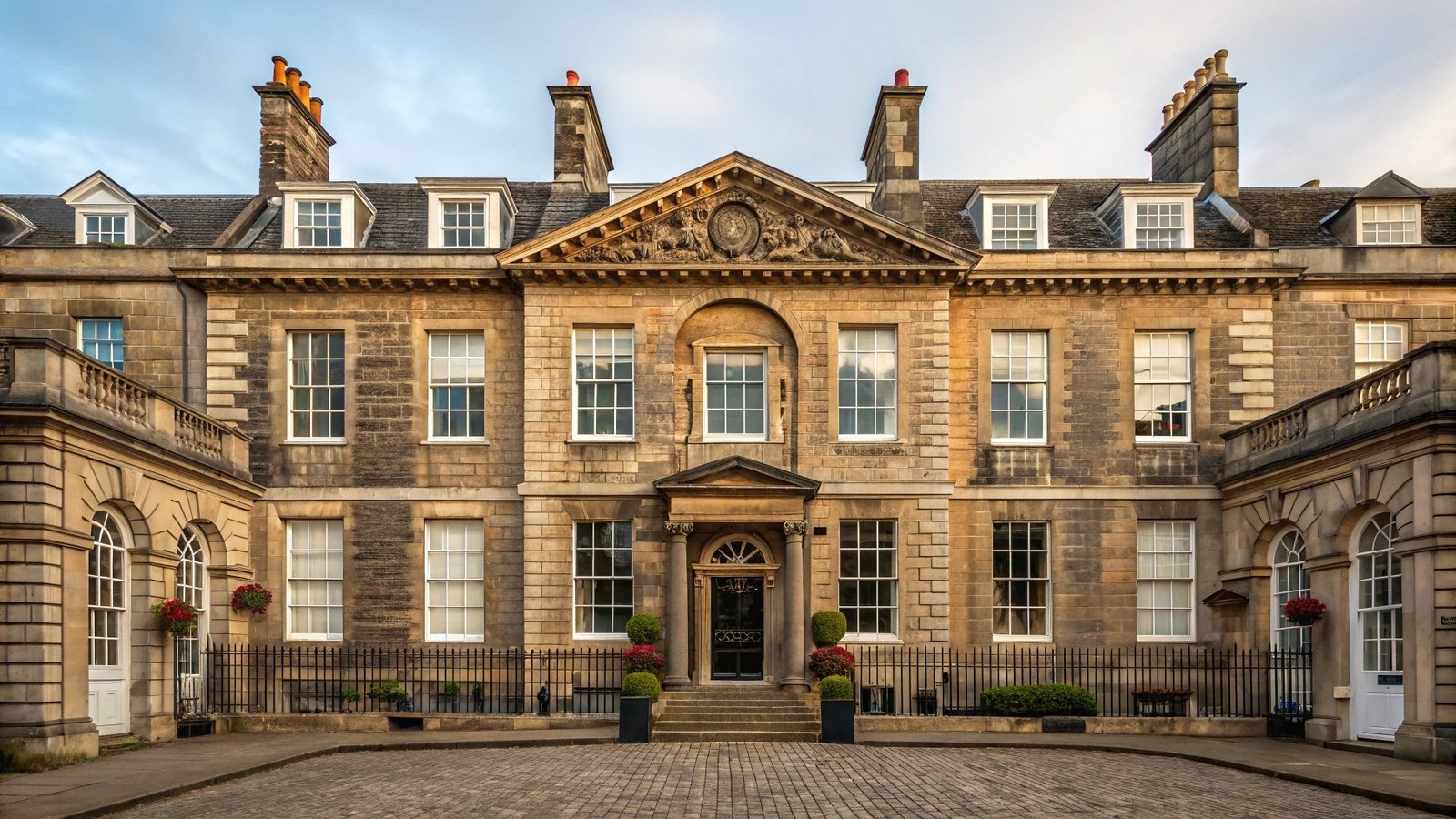
Listed buildings offer unique character and history, but they require specialist knowledge to survey properly. As chartered surveyors with heritage property experience across Bedfordshire, we understand the complexities of inspecting listed buildings. This comprehensive guide explains what makes surveying listed properties different and why specialist expertise matters.
What Is a Listed Building?
Listed buildings are structures of special architectural or historical interest, protected by law. Historic England maintains the List of Buildings of Special Architectural or Historical Interest. There are three grades:
Grade I (2.5% of listings)
Buildings of exceptional interest, sometimes internationally important. Examples include major country houses, important civic buildings, and significant churches.
Grade II* (5.8% of listings)
Particularly important buildings of more than special interest. These are significant heritage assets requiring careful conservation.
Grade II (91.7% of listings)
Buildings of special interest warranting protection. This includes many Georgian, Victorian, and Edwardian residential properties across Luton and surrounding areas.
Why Listed Buildings Need Specialist Surveys
Our building surveyors always recommend Level 3 building surveys for listed properties. Here's why standard surveys aren't sufficient:
Traditional Construction Methods
Listed buildings use construction techniques rarely seen in modern properties:
- Lime mortar rather than cement
- Traditional timber framing
- Historic roofing materials (stone slates, handmade tiles, thatch)
- Wattle and daub infill panels
- Historic plasters and renders
- Original window designs and glass
Understanding these materials and how they perform requires specialist knowledge our chartered surveyors possess.
Different Maintenance Requirements
Listed buildings need sympathetic maintenance using appropriate materials. Cement mortars, modern paints, and standard building products often damage historic fabric. Our property consultants advise on conservation-appropriate maintenance approaches.
Planning Constraints
Listed building consent is required for most alterations, even internal works affecting character. Our RICS-accredited surveyors help you understand what changes are likely to be permitted and what restrictions apply.
Hidden Issues
Older construction can hide problems. Inappropriate past repairs may have caused damage not immediately visible. Comprehensive inspection by experienced building surveyors identifies both obvious and hidden defects.
Higher Repair Costs
Repairing listed buildings costs more than standard properties. Conservation-grade materials, specialist craftspeople, and planning requirements increase expenses. Accurate cost estimates from surveyor experience with heritage properties help you budget realistically.
Common Issues in Listed Buildings
Based on surveying heritage properties across Bedfordshire, our building surveyors frequently identify these problems:
1. Inappropriate Past Repairs
The problem: Well-meaning previous owners or builders used modern materials that harm historic fabric.
Common examples:
- Cement pointing trapping moisture in walls
- Modern hard renders preventing wall breathability
- Concrete floors removing natural ventilation under floors
- Plastic paints sealing historic plasters
- uPVC windows replacing original sashes
What our chartered surveyors recommend: Reversing inappropriate repairs using conservation methods. This may be required for listed building consent and improves building performance.
2. Structural Movement
What it looks like: Cracks, leaning walls, sagging roof lines, or distorted openings.
Assessment approach: Not all cracks indicate active problems. Many listed buildings have moved historically and stabilized. Our building surveyors distinguish between historic movement and current issues requiring attention.
Common causes:
- Settlement from flexible lime mortar (often stable)
- Timber frame movement (normal in timber-framed buildings)
- Foundation inadequacy by modern standards
- Removal of internal structural elements
- Actual subsidence requiring intervention
3. Timber Defects
What we find: Listed buildings contain substantial historic timber – structural frames, floors, roofs. After centuries, timber can suffer from:
- Beetle infestation (death watch beetle in oak timbers)
- Wet rot from long-term moisture exposure
- Dry rot in poorly ventilated spaces
- Natural aging and splitting
- Overloading beyond original design
Our approach: Comprehensive Level 3 building surveys include detailed timber inspection. We probe accessible timbers, assess structural adequacy, and recommend specialist timber surveys when needed.
4. Damp Problems
Why listed buildings are prone to damp:
- Solid wall construction (no cavity)
- No damp proof course in older buildings
- Permeable traditional materials
- Age-related deterioration
- Inappropriate modern repairs trapping moisture
Important distinction: Some moisture in historic walls is normal. Traditional buildings "breathe," allowing moisture to evaporate naturally. Problems arise when this process is blocked by cement or modern materials. Our chartered surveyors understand the difference between normal moisture movement and damaging damp.
5. Roof Structure Issues
What makes historic roofs different:
- Heavy stone slate or handmade tile roofs
- Traditional timber sizing (often smaller than modern equivalents)
- Historic timber joints (pegged rather than nailed)
- No sarking felt (traditional roofs don't need it)
- Complex geometry from additions over centuries
Common problems: Sagging from age, tile slip, timber decay where leaks occurred, and structural weakness from removed elements. Our building surveyors assess whether defects require urgent attention or represent stable historic conditions.
6. Original Windows and Glazing
Why windows matter: Original windows contribute significantly to listed building character. Replacing them requires listed building consent and is often refused.
Assessment considerations:
- Condition of timber frames and sashes
- Historic glass retention (crown glass, cylinder glass)
- Functionality of original mechanisms
- Potential for repair rather than replacement
- Appropriateness of past alterations
Our property consultants advise on repair feasibility, estimated costs, and likelihood of consent for any necessary changes.
The Listed Building Survey Process
Our chartered surveyors conduct comprehensive Level 3 building surveys on listed properties, including:
Pre-Survey Research
We research the building's history, listing details, and any previous surveys or reports. Understanding the property's development informs our inspection approach.
Comprehensive Inspection
Listed building surveys take longer than standard Level 3 surveys – often 6-8 hours for a typical house. We examine:
- All accessible areas in detail
- Historic materials and construction methods
- Period features and their condition
- Previous alterations and repairs
- Structural adequacy and movement
- Services installations and their impact
Specialist Knowledge Application
Our building surveyors with heritage experience understand:
- Traditional construction techniques
- Historic material performance
- Appropriate conservation methods
- Planning and consent requirements
- Specialist contractor identification
Detailed Reporting
Listed building survey reports include:
- Construction history and development
- Detailed condition assessment
- Explanation of traditional materials and methods
- Identification of inappropriate repairs
- Conservation-appropriate repair recommendations
- Estimated costs using heritage contractors
- Guidance on maintenance and alterations
- Planning considerations for proposed changes
Costs of Listed Building Ownership
Listed buildings cost more to maintain and repair than standard properties. Our property consultants help buyers understand likely expenses:
Higher Maintenance Costs
- Specialist materials cost more than standard products
- Traditional craftsmanship requires skilled professionals
- Listed building consent adds process time and cost
- Conservation work takes longer than standard repairs
Example Cost Comparisons
- Lime repointing: £80-£120/m² vs. cement £50-£80/m²
- Sash window restoration: £800-£1,500 per window
- Traditional roof repairs: 20-40% more than standard work
- Historic timber repair: Specialist carpentry at premium rates
- Conservation surveys: £1,000-£3,000+ depending on complexity
Benefits of Listed Building Ownership
Despite higher costs, listed buildings offer advantages:
Unique Character
Historic features impossible to replicate in modern buildings. Original details, craftsmanship, and materials create special character.
Potential Grants
Some repair works may qualify for grants from heritage organizations, particularly for Grade I and II* properties.
Planning Protection
Listing protects buildings from inappropriate development. Your property's character is legally safeguarded.
Investment Value
Well-maintained listed buildings often hold value well. Scarcity and uniqueness attract buyers willing to pay premiums.
Environmental Sustainability
Reusing existing buildings is environmentally beneficial. Traditional materials often have excellent sustainability credentials.
Working with Conservation Officers
Local authority conservation officers provide advice on listed buildings. Our chartered surveyors recommend:
- Consulting conservation officers before major works
- Discussing proposed changes early in planning
- Understanding their priorities for your specific property
- Using their expertise alongside your surveyors'
- Preparing thorough applications with professional drawings
Key Takeaways
- Listed buildings require specialist surveyor knowledge
- Level 3 building surveys essential for heritage properties
- Traditional construction methods need conservation-appropriate repairs
- Maintenance costs exceed standard properties
- Inappropriate past repairs often cause problems
- Listed building consent required for most alterations
- RICS chartered surveyors with heritage experience provide expert advice
Considering Purchasing a Listed Building?
Our RICS chartered surveyors provide specialist Level 3 building surveys for listed buildings and heritage properties across Luton, Bedfordshire, and surrounding areas. We have the expertise to assess traditional construction, identify appropriate repairs, and advise on conservation requirements.
Get Your Listed Building Survey Quote